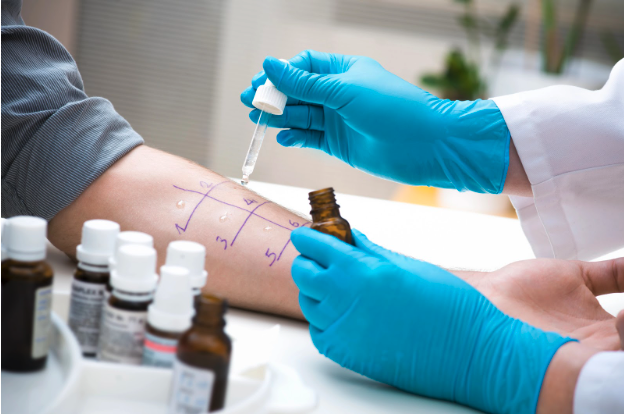
Allergy skin testing is the most common way of diagnosing specific allergy triggers. After you receive several injections, you sit for up to 45 minutes as your body processes the substance. You may experience symptoms such as itching, sneezing, and other typical allergy symptoms. .
The blood test is also a short appointment, as you only receive one injection. The injection site may be sore for several hours after the injection. If so, ask your doctor how best to relieve the discomfort.
Preparing for allergy testing
Following pre-test instructions will help you prepare for the test and ensure you get the most accurate results from your allergy testing. You should discontinue the use of antihistamines three or four days before your scheduled test, as they can interfere with the results.
You may also need to stop taking other chronic medications, so check with your allergy specialist. Other steps include:
- Avoid wearing any scented products on the day of your test
- Do not smoke or consume any beverages with caffeine before your test
- Fast after midnight, if you are having a blood test
- Shower the morning of your test
Interpreting allergy test results
Positive test results indicate that your body is sensitive to specific allergy triggers, while negative results mean no sensitivity exists for that allergy trigger. A mild response, such as sneezing and a runny nose, usually means that you can treat your allergies with lifestyle changes and/or medication. However, a more severe response, like difficulty breathing, indicates that you need more significant medical intervention to manage your allergy or asthma triggers.
Once you know your allergy triggers and the severity of your symptoms, the next step is to consult an allergist to discuss and understand the results. After completion of the allergy testing a follow up appointment will be scheduled with Dr. Lutz to discuss the results.